When designing spaces for young children, there are a few things that consistently shape how a space is experienced and used.
These are some of the principles we return to in our work.
Create a place of possibilities
Avoid choices that pre-define how a space can be used. When interpretation is narrowed too much, children’s imaginations are undervalued.
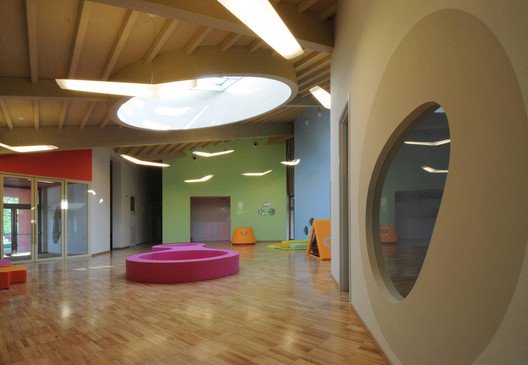
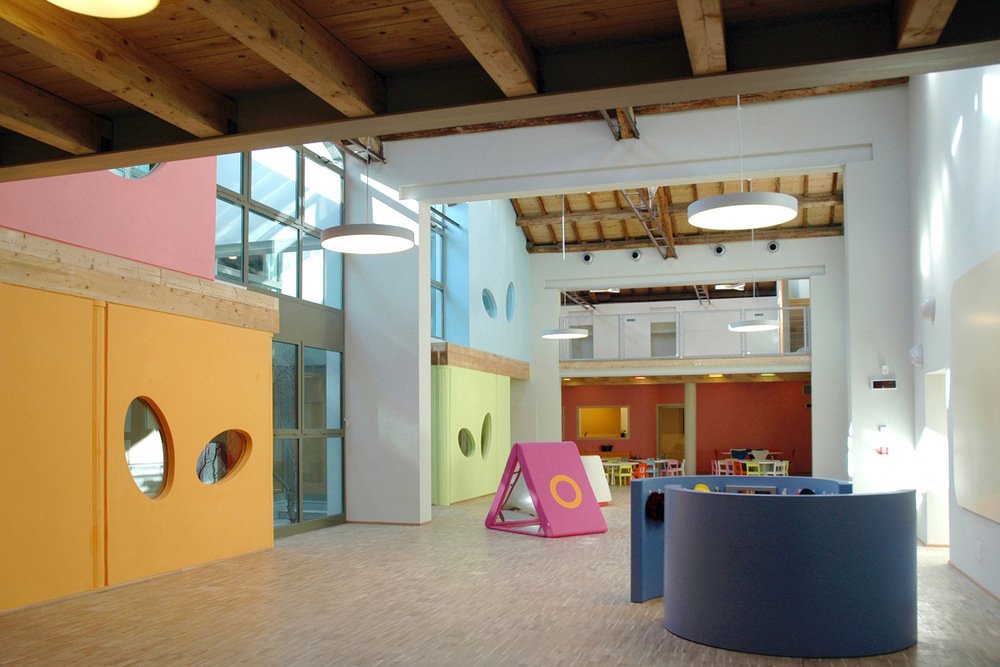
Every space and every project is different. Wall colours, lighting, flooring, and architecture all inform the way a space is furnished, and the kinds of experiences it can support.
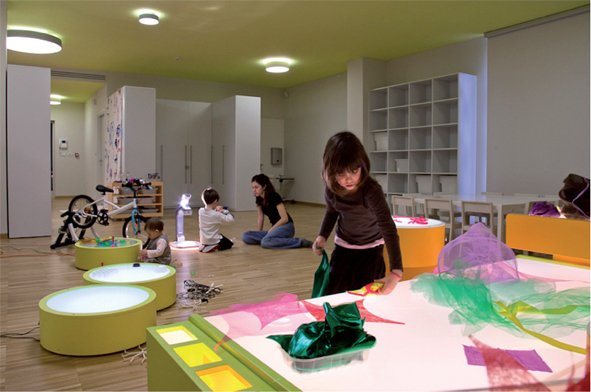
This is where ‘intelligent materials’ matter. Thinking carefully about what we put into a space, why it is there, how it can be used in different ways, and how it relates to everything around it helps keep possibilities open.
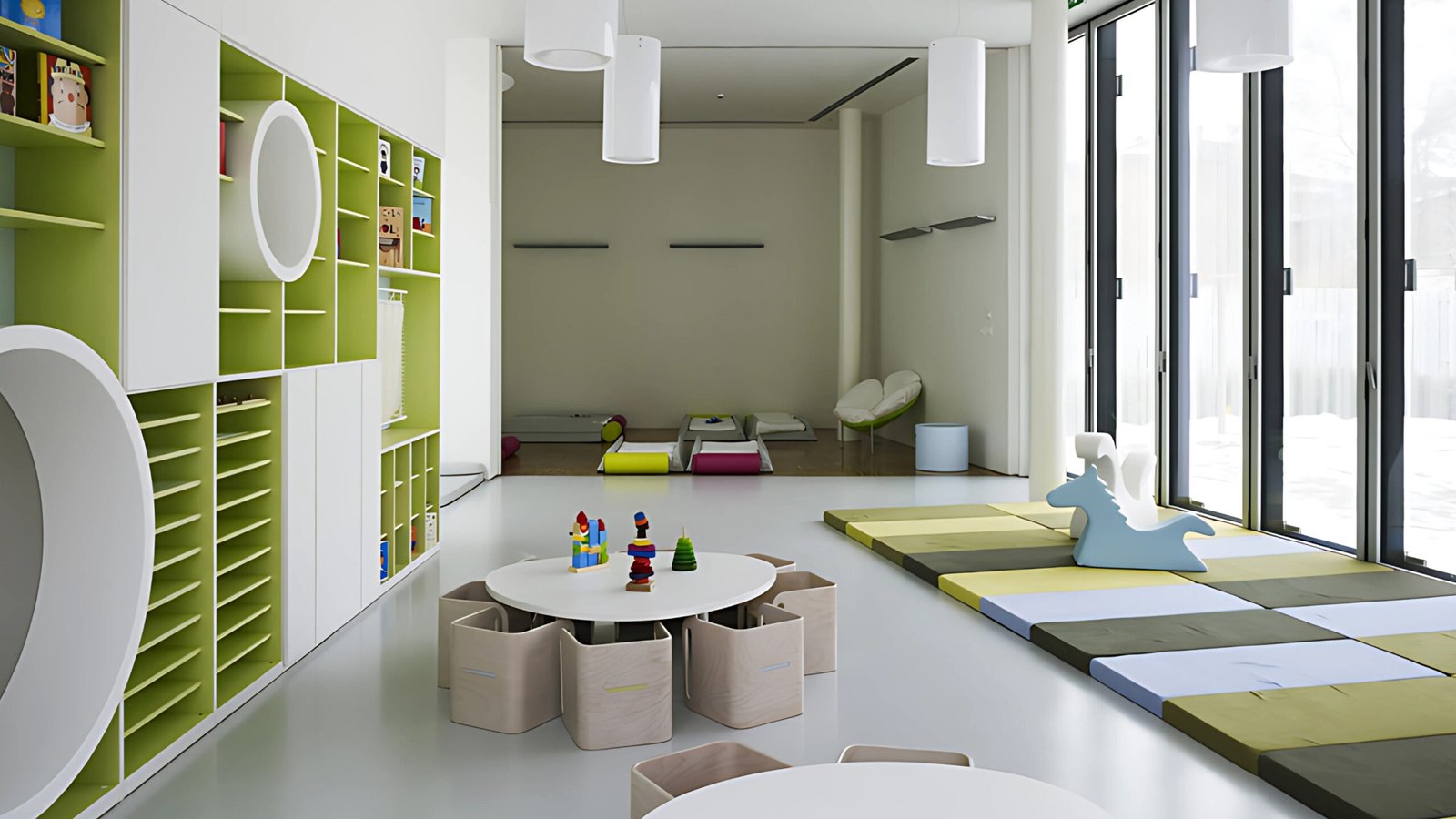
Agile or modular furniture can quickly create different groupings. Play equipment that is not prescriptive offers opportunities to explore, experiment, and reinterpret, allowing children to experience the space, and the things within it, in open-ended ways.
The more limitations we place on how a space can be used, the fewer possibilities we offer children.
Respect the complexity of childhood
Young children have different strengths, sensitivities, and interests. They have (more than) a hundred languages.
Spaces for young children should not be oversimplified. They benefit from richness, in both material and immaterial qualities, while still feeling harmonious and welcoming.
Calm and balanced environments can also hold an underlying complexity, one that can be explored and discovered over time. Children experience space not only from a different height or spatial perspective, but through taste, smell, touch, movement, and sound.
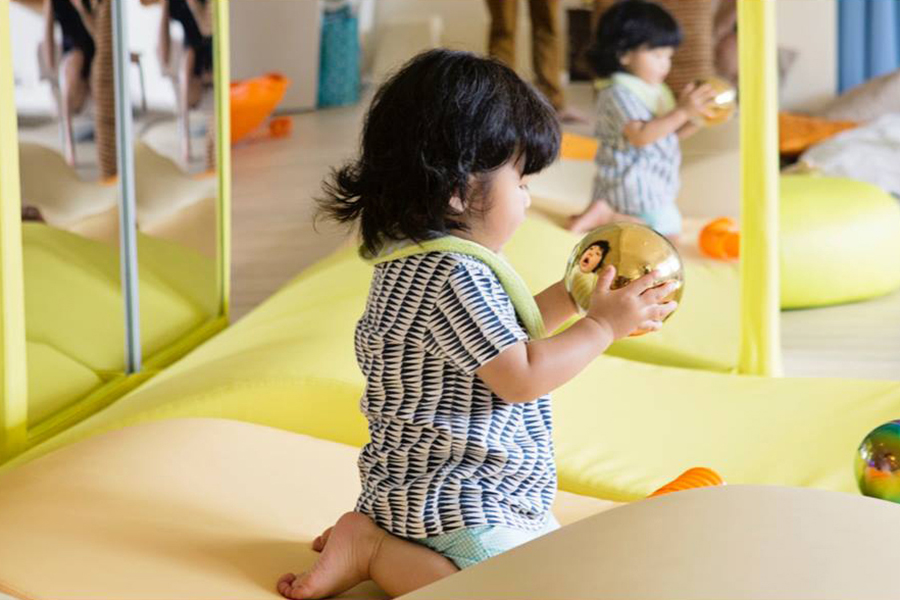
Small details, such as mirrors or light sources, can subtly change how materials are perceived and investigated.
Make room for retreat
Children need opportunities to step back, to observe, rest, and self-regulate, not just to participate.
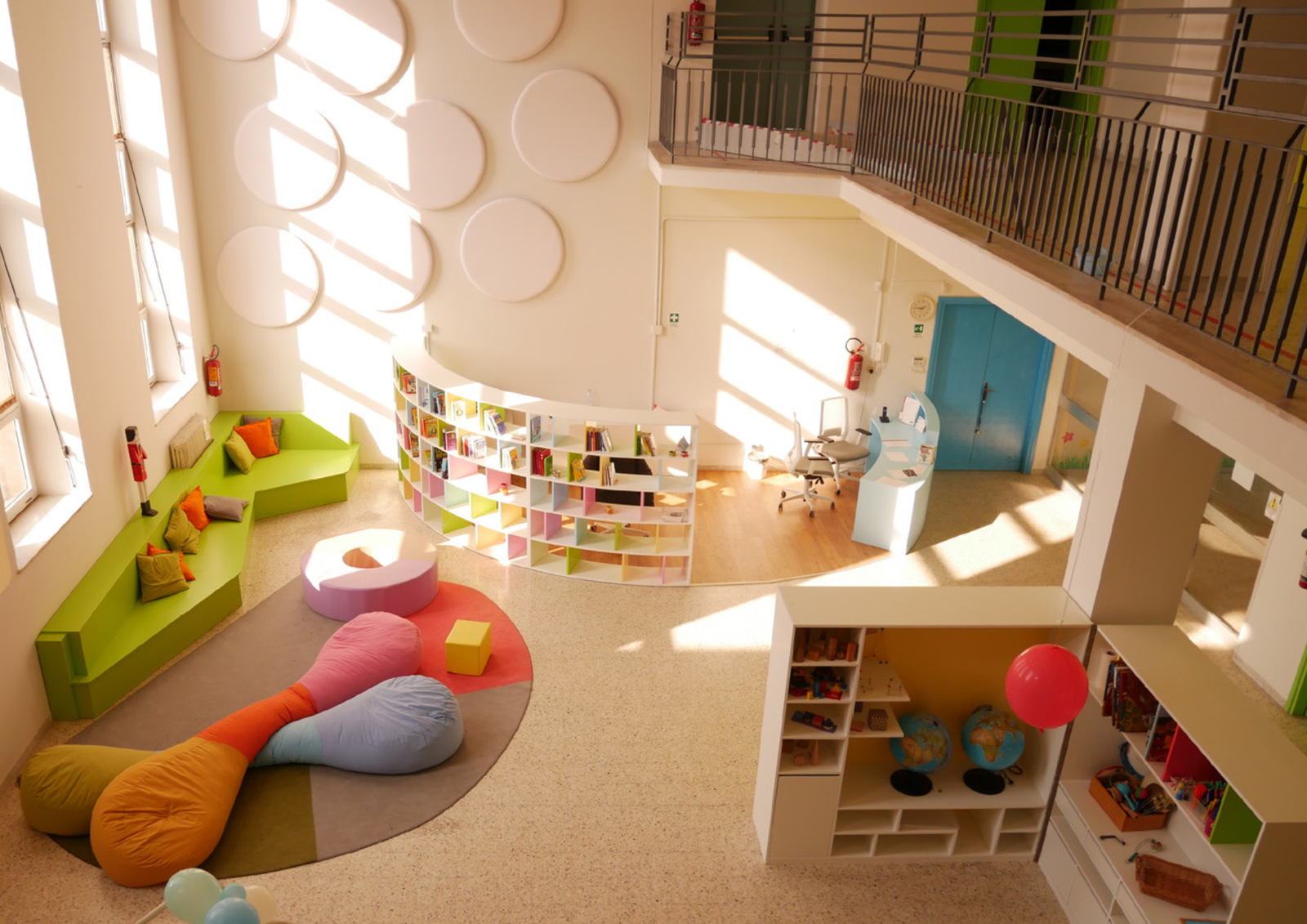
Nests, nooks, and cosy corners matter. These can be defined by furniture, but they can also emerge through softer spatial cues: variations in light, ceiling height (architectural or through canopies), and thoughtful attention to acoustics.
Feeling protected does not require solid physical barriers. Children can feel enclosed by soft materials that ‘hug’ them, or by perforated or transparent elements that allow them to hide (in full sight), peek out, and feel safe.
Materials that dampen sound can make group activities feel separate and contained, even when they are physically close.
Create spaces to gather
Children learn through relationships — with others, with materials, and with the space itself.
Spaces to gather support encounter and shared attention. They allow children to observe one another, sit together, talk, collaborate, and build relationships over time.
Often, it is these everyday moments, shaped by small design decisions,hat have the greatest impact on how children inhabit and experience a space.
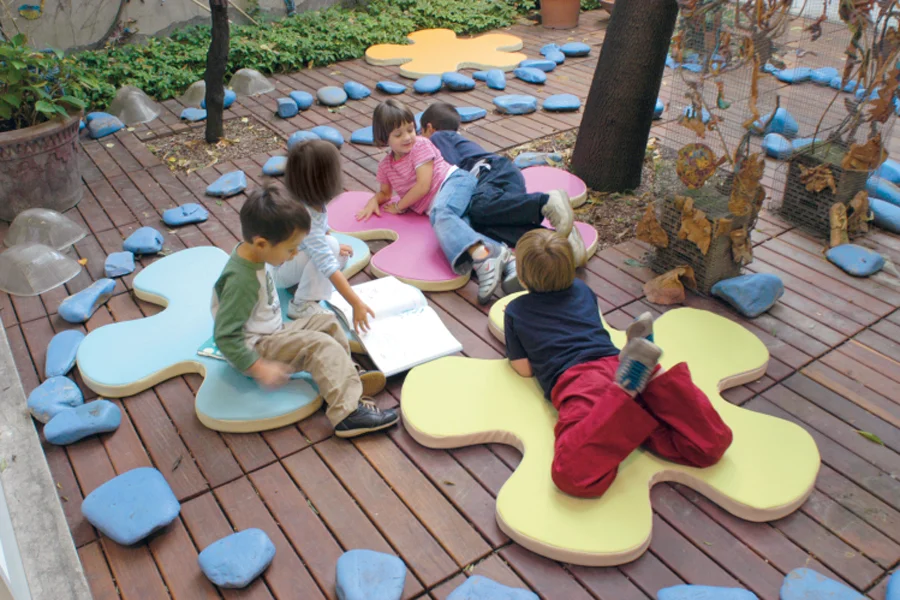
Leave space unfinished
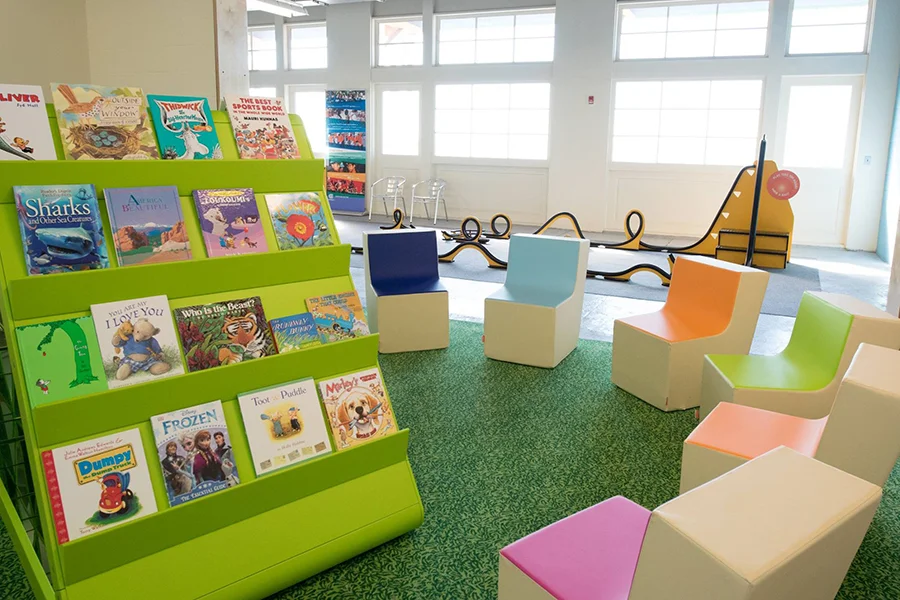
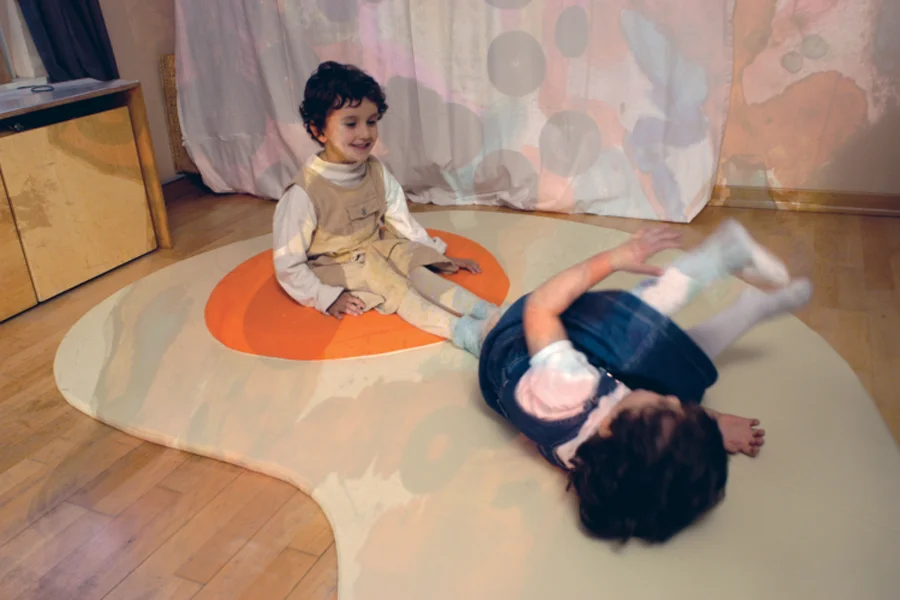
Designed spaces should be intentionally unfinished. Over-designed and over-finished environments can limit interpretation and make experiences feel literal rather than open-ended.
A space is completed by the children (and adults) who inhabit it, through their activities, the materials and resources they use, living plants, and the things they create, display, and care for over time.
In this way, the environment remains responsive, evolving alongside the people within it.