
The Princess of Wales
to Visit Reggio Emilia
The Princess of Wales
to Visit Reggio Emilia
The Princess of Wales
to Visit Reggio Emilia

The Princess of Wales will travel to Reggio Emilia, Italy on 13–14 May with the Royal Foundation Centre for Early Childhood. The visit will focus on early childhood development and explore the internationally recognised Reggio Emilia Approach.

During the visit, Princess Kate is expected to meet with teachers, parents, children, and researchers to gain a deeper understanding of how this educational philosophy supports children’s development through relationships, environments, and exploration. According to Kensington Palace, the Princess is particularly interested in understanding how “nature and loving human relationships come together to support children’s development,” reflecting the growing international attention on environments and relationships in early childhood education.
 The Reggio Emilia Approach 

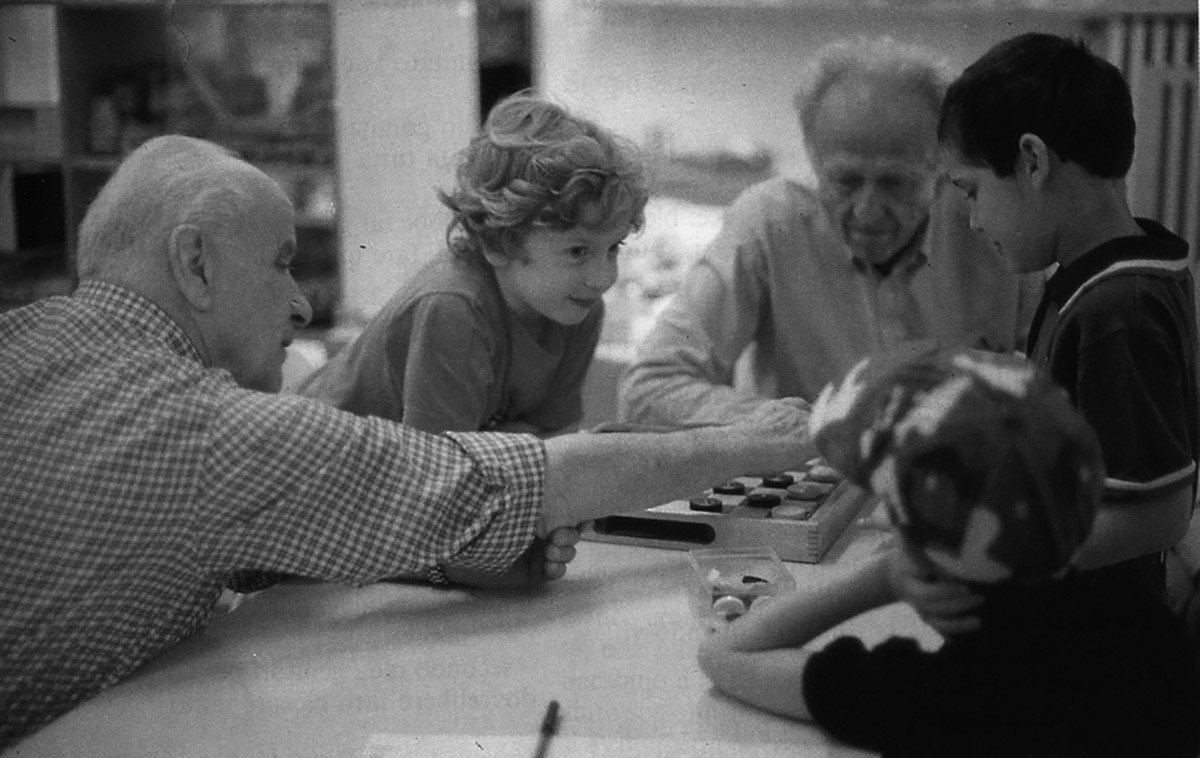
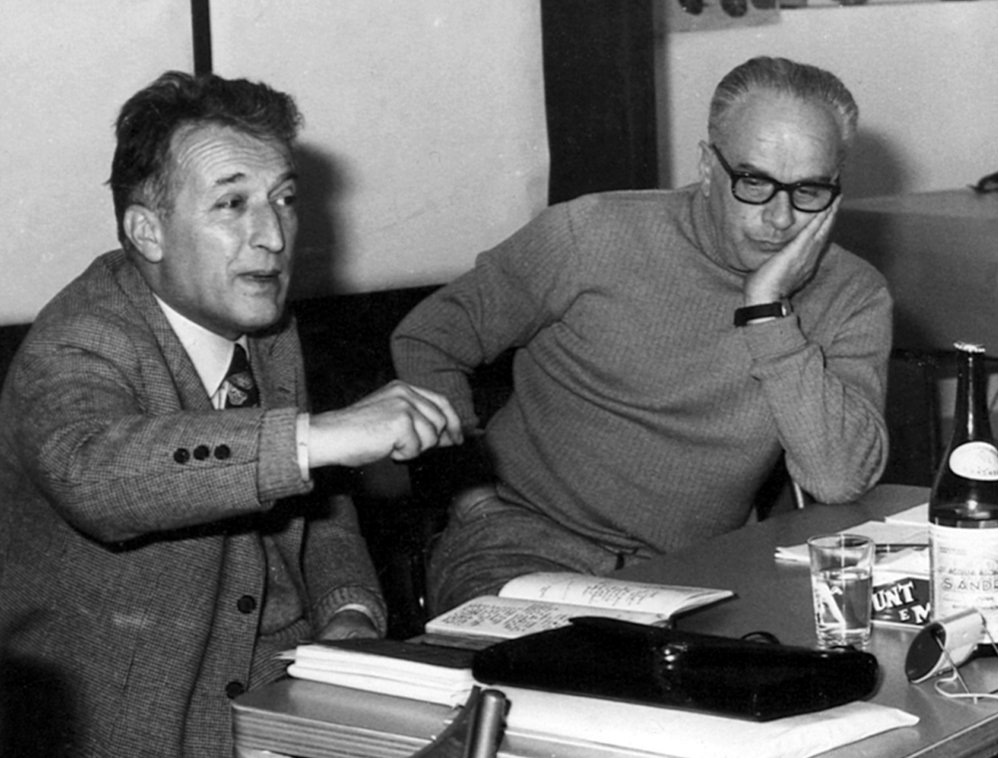
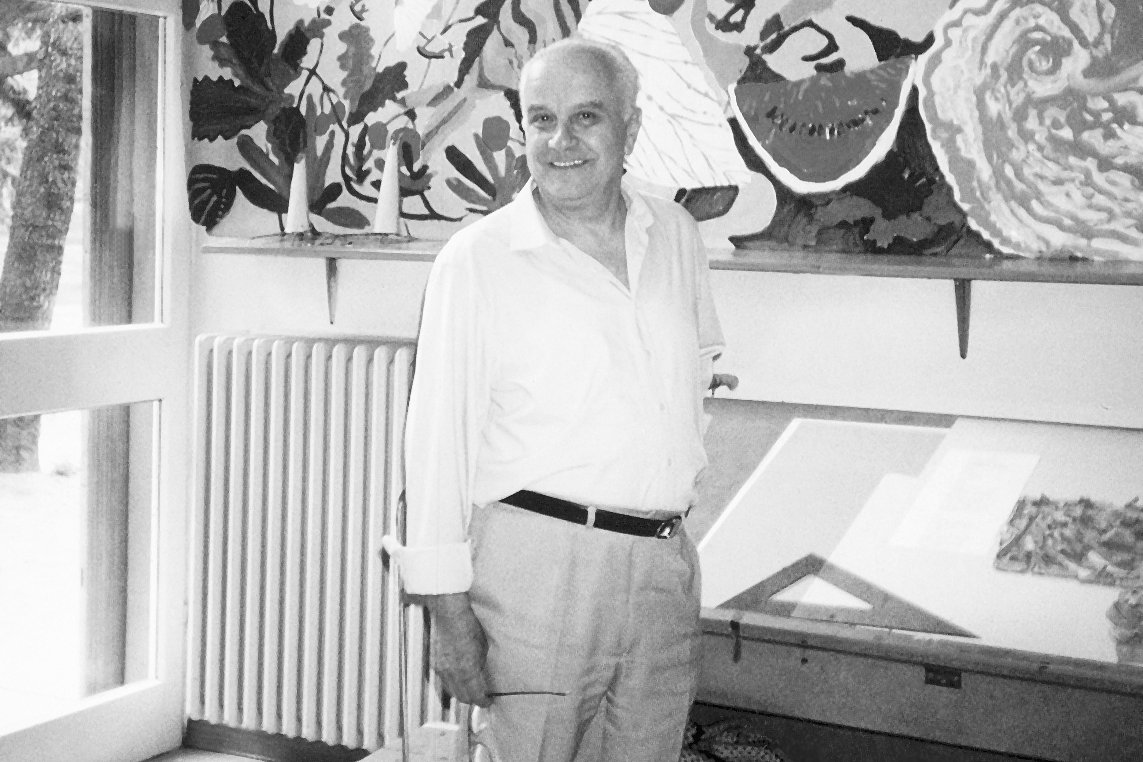
The Reggio Emilia Approach is an educational philosophy based on the image of a child with strong potentialities for development and a subject with rights. The history of Reggio Emilia’s municipal infant-toddler centres and preschools is profoundly woven with the life and thinking of Loris Malaguzzi.

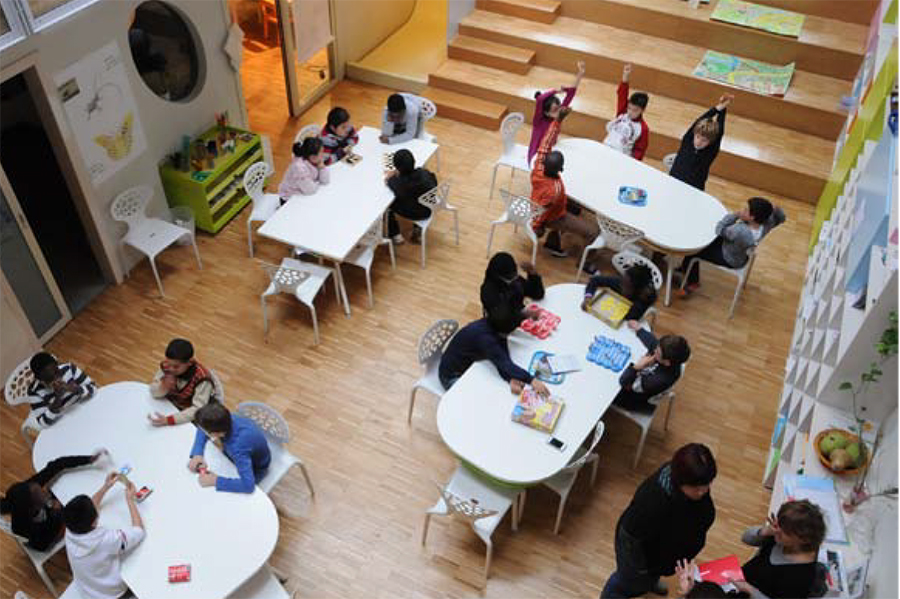
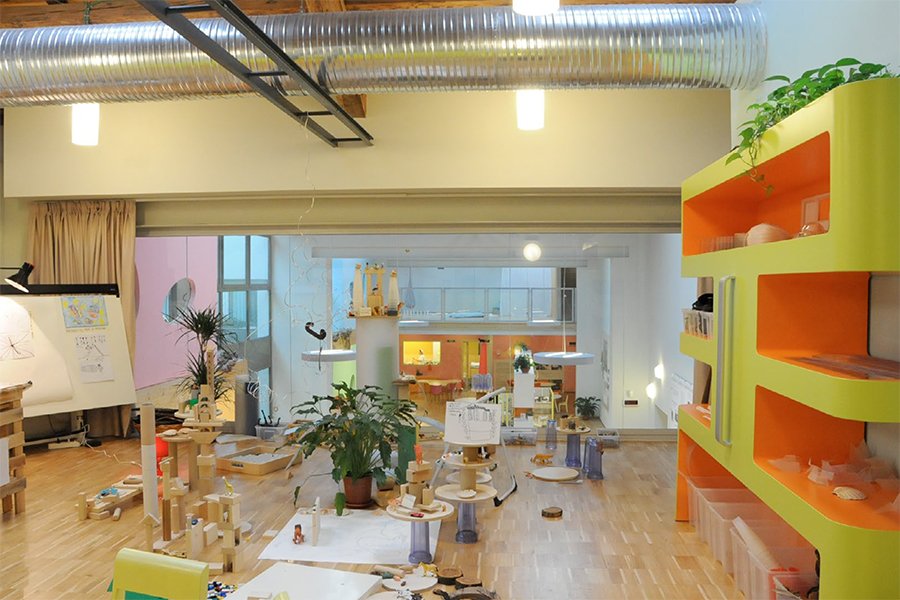
Central to the philosophy is the idea that environments matter. Spaces are designed to encourage encounters, communication, collaboration, and inquiry between children, educators, materials, and ideas. The approach is also associated with pedagogical documentation, long-term projects, and educators working as researchers alongside children.

Over the past several decades, Reggio Emilia has become an international point of reference for educators, architects, designers, and researchers interested in childhood, learning environments, and educational research.

The Loris Malaguzzi International Centre

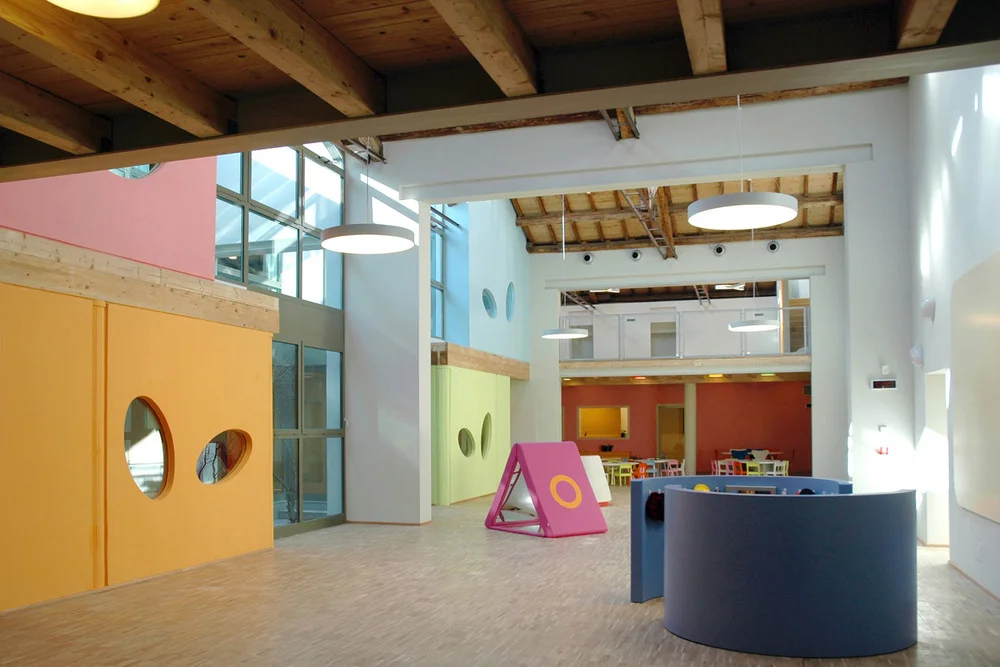
Established in 2006, the Loris Malaguzzi International Centre serves as the permanent home of Reggio Children and as a place for meeting and discussion around school, childhood, and educational culture in Reggio Emilia and around the world.

The Centre reflects one of the key principles of the Reggio Emilia Approach: that environments are not neutral, but actively shape relationships, experiences, and learning. Within the approach, objects, materials, and spaces are understood not as passive elements, but as participants in the educational experience, influencing and being influenced by the children and adults who inhabit them.

Architecture, Interiors, and Learning Environments

The Centre includes exhibition spaces, ateliers, laboratories, conference areas, a research centre, and educational environments for children and adults.

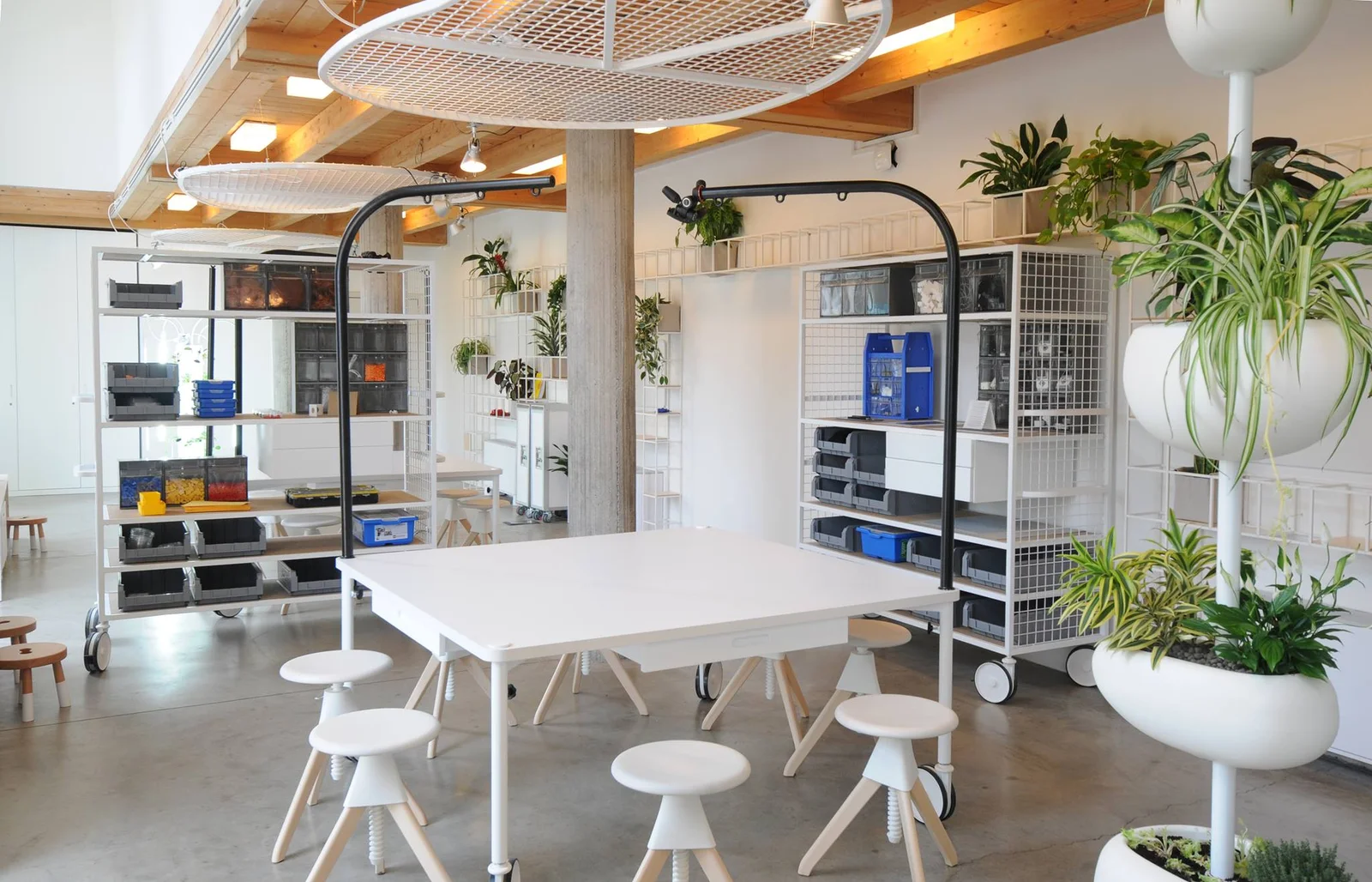
The renovation project was developed between 2007–2011 as part of the transformation of a former Parmigiano Reggiano cheese factory. The project, interiors, and furnishings were coordinated by Tullio Zini together with ZPZ Partners. The selected furniture included the PLAY+ range, developed with the pedagogical consultancy of Reggio Children.

Read more about the project.

Child-led learning environment designed at Loris Malaguzzi Centre